

How to Build Team Culture With Offshore and Remote Teams

When businesses first hire offshore staff, the focus is usually on skills, productivity, and cost.

Can they do the work? Will communication be smooth? How quickly can they contribute?

What often gets overlooked is culture.

As offshore teams grow, many businesses discover that maintaining a strong team culture becomes just as important as managing workflows and performance. 

This is especially true when team members are working remotely, spread across different cities, supporting different clients, and rarely meeting each other face-to-face.

Without deliberate effort, offshore employees can begin to feel disconnected from the wider business. They may know their direct manager and their day-to-day responsibilities, but feel little connection to the company itself.

Over time, that disconnect can affect engagement, morale, retention, and ultimately performance.

Why Team Culture Matters for Offshore Teams

Tired businessman yawn and rubbing eyes in home office during late night hours.
Understanding cultural differences between Australian and Filipino workplaces can help businesses build stronger, more engaged offshore teams.

One interesting challenge Australian businesses often encounter when managing offshore teams is the difference in workplace culture expectations.

Australian workplaces tend to build culture through everyday interactions. Team lunches, coffee catchups, Friday drinks, and office conversations naturally create opportunities for connection. 

There is also a strong emphasis on work-life balance and respecting employees’ personal time.

In the Philippines, workplace culture is often more relationship-driven. Company outings, Christmas parties, summer events, team-building activities, and celebrations are commonly viewed as important parts of the employee experience. 

These events help strengthen relationships, build camaraderie, and create a stronger sense of belonging within the organisation.

For businesses managing offshore teams, understanding this difference can be incredibly valuable.

Strong culture creates stronger engagement, stronger retention, and ultimately stronger performance.

Why Quarterly or Biannual Team Events Make a Difference

For remote and offshore teams, connection rarely happens by accident.

Unlike office-based employees, remote staff miss out on many of the small interactions that naturally build relationships. There are no lunchroom conversations, hallway chats, coffee runs, or spontaneous celebrations.

This is why periodic in-person gatherings can be so valuable.

For most businesses, quarterly or biannual events strike the right balance. They create opportunities for employees to meet colleagues face-to-face, strengthen relationships, celebrate achievements, and feel part of something larger than their individual client or workload.

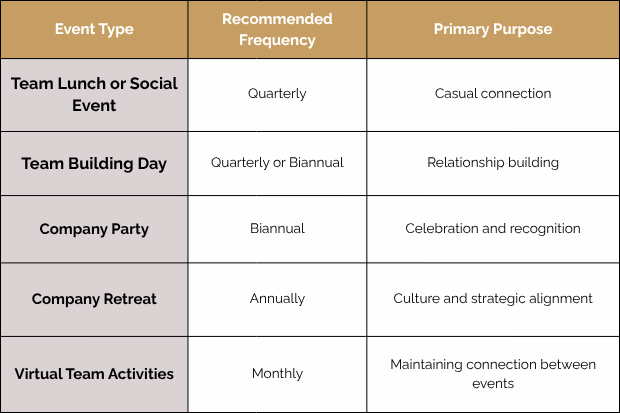
Comparison of different company activities purposes.
Different team activities serve different purposes, from recognition and engagement to relationship-building and retention.

This is particularly important for offshore staff supporting multiple clients. While they may work closely with one client day-to-day, these events help reinforce their connection to the broader company and team.

Insight

Research into Philippine workplaces has identified a significant relationship between team-building activities and employee engagement. In fact, researchers specifically recommend regularly conducting team-building initiatives as part of broader HR and organisational development programs to improve workplace effectiveness and strengthen employee relationships.

Culture is a Retention Strategy

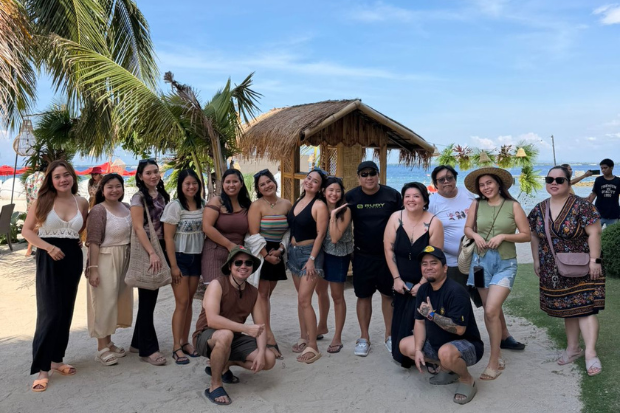
Filipino virtual assistants posing during company beach party in summer.
Team outings and social events help offshore employees feel connected to the wider organisation, not just their day-to-day workload.

Many employers assume employees leave primarily because of salary. Compensation certainly matters, but workplace culture often plays a much larger role than people realise.

Employees who feel disconnected from their colleagues, unsupported by their organisation, or isolated from the wider team are more likely to disengage over time.

This can be especially challenging for remote teams, where employees may spend most of their day interacting through messaging platforms and video calls.

Regular meetups, social events, and team-building activities create opportunities for employees to develop relationships that extend beyond work tasks.

Those relationships often become one of the strongest drivers of long-term retention.

Insight

Some workplace studies suggest that up to 64% of employee turnover risk is linked to culture and employee experience rather than compensation alone. While salary remains important, employees who feel connected to their team are often far more likely to stay engaged and committed over the long term.

Timing Matters More Than Most Employers Realise

One of the biggest mistakes businesses make is treating team-building events as an afterthought.

The best events are planned around operational realities.

Avoid scheduling events:

  • During major projects or deadlines
  • During peak workload periods
  • At month-end or quarter-end processing periods
  • Immediately before significant client deliverables


The goal is simple: people should be able to relax and enjoy themselves.

If employees spend the entire event worrying about unfinished work, the event loses much of its value.

Businesses should also be mindful of personal time. While occasional after-hours gatherings can work well, employees generally appreciate events that occur during work hours or where time is given back in other ways.

A team-building event should feel like a reward, not an obligation.

Let Employees Help Shape the Event

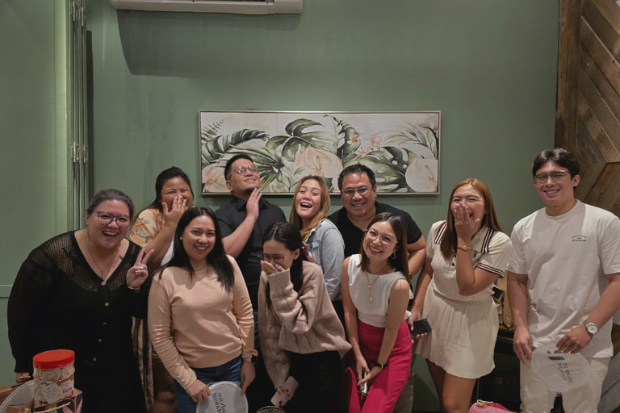
Happy Filipino virtual assistants after a sponsored company outing.
Some of the most successful team events are simple: good food, relaxed conversations, and time for colleagues to connect naturally.

One of the easiest ways to improve participation is simply asking employees what they would enjoy.

Many businesses spend significant amounts of money organising events that management thinks employees will like.

Sometimes they’re right. Sometimes they’re not.

Before planning an event, consider surveying staff about:

  • Preferred venues
  • Activity ideas
  • Food and beverage preferences
  • Travel considerations
  • Whether family members should be included
  • Budget priorities


When employees feel involved in shaping the experience, participation and engagement are usually much higher.

The most successful events are rarely the most expensive. They’re the ones that reflect what employees genuinely enjoy.

Setting a Realistic Budget

Team events should be treated as an investment rather than an expense.

Budgeting ahead allows businesses to create better experiences without scrambling for funds at the last minute.

Depending on team size, budgets may need to account for:

  • Venue hire
  • Accommodation
  • Transportation
  • Food and drinks
  • Team activities
  • Awards and prizes
  • Event photography
  • Entertainment


The objective isn’t necessarily to spend more. It’s to create an experience that feels thoughtful and well organised.

Choosing the Right Venue

The venue often sets the tone for the entire event. Different teams enjoy different experiences.

Some groups may prefer:

  • Beach resorts
  • Outdoor adventure activities
  • Poolside venues
  • Team retreats


Others may enjoy:

  • Hotel function rooms
  • Casual dining venues
  • Private event spaces
  • Karaoke nights


There is no universal formula. The best venue is usually one that reflects the personalities and preferences of the people attending.

Activities That Encourage Genuine Connection

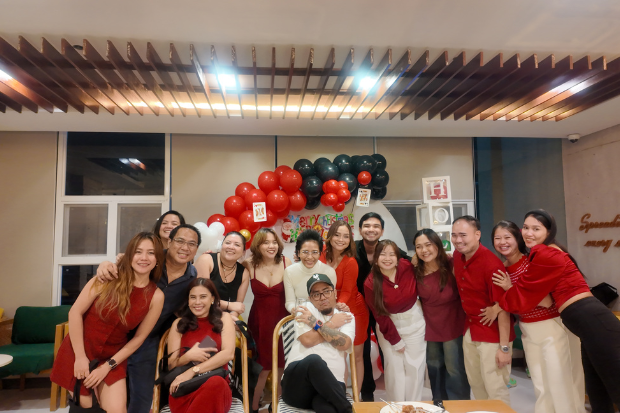
Filipino virtual assistants having fun at a company christmas party matching outfits.
Team-building activities don't need to be overly structured. Shared experiences often create stronger connections than formal programs.

Not every event needs a full-day schedule packed with structured activities. In fact, over-planned events can sometimes feel forced. The goal should be creating opportunities for people to interact naturally and enjoy each other’s company.

Popular activities often include:

  • Team games
  • Trivia competitions
  • Amazing race challenges
  • Sports activities
  • Recognition awards
  • Talent showcases
  • Karaoke
  • Raffle draws
  • Casual networking sessions


Some of the most successful team events are surprisingly simple: a sponsored lunch, a beach outing, a resort day trip, a group dinner, or an afternoon where employees can simply relax, eat good food, and spend time together away from work.

Should You Include Prizes and Raffles?

Prizes can add excitement and encourage participation. Simple raffle draws, recognition awards, and small giveaways often generate energy throughout the event.

These don’t need to be extravagant. Sometimes the most memorable prizes are fun, creative, and tied to the team’s personality rather than their monetary value.

Should Partners and Children Be Invited?

There isn’t a right answer. Some businesses prefer employee-only events because they encourage team interaction and relationship building.

Others choose family-friendly gatherings where partners and children are welcome. The decision usually depends on the purpose of the event.

If the objective is team bonding, a staff-only event may work best. If the goal is recognising and celebrating employees while involving the people who support them outside of work, family-inclusive events can be incredibly meaningful.

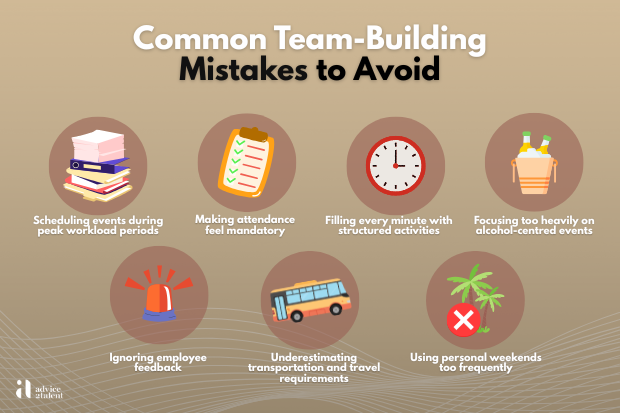
Common Team-Building Mistakes to Avoid

Examples of common mistakes when organising team outings.
Avoiding common planning mistakes can make team events more enjoyable, meaningful, and effective for employees.

Even well-intentioned events can miss the mark if they are not planned carefully.

Some common mistakes include:

  • Scheduling events during peak workload periods
  • Making attendance feel mandatory
  • Filling every minute with structured activities
  • Focusing too heavily on alcohol-centred events
  • Ignoring employee feedback
  • Underestimating transportation and travel requirements
  • Using personal weekends too frequently


The best events leave employees feeling refreshed, appreciated, and more connected to their colleagues – not exhausted or inconvenienced.

Building Culture Beyond the Party

While company outings and celebrations are valuable, culture isn’t built in a single day. Strong culture is created through consistent communication, recognition, support, and inclusion throughout the year.

Regular check-ins, celebrating milestones, recognising achievements, investing in professional development, and creating opportunities for collaboration all contribute to a stronger sense of belonging.

Team-building events simply reinforce the culture employees experience every day.

Insight

Hybrid and remote work continue to reshape workplace relationships. Research suggests that only 43% of remote workers feel genuinely connected to their workplace. Team-building events alone won’t solve that challenge, but they can play a powerful role in creating the trust, relationships, and sense of belonging that are often harder to build through screens alone.

Stronger Culture Creates Stronger Teams

As businesses continue building remote and offshore teams, culture can no longer be treated as something that only exists inside a physical office.

Creating opportunities for connection, recognition, and shared experiences helps employees feel valued, engaged, and invested in the success of the wider business.

Whether it’s a quarterly team-building day, a biannual company retreat, a Christmas party, or a summer outing, these events are about far more than having fun for a day. 

They help strengthen relationships, improve retention, and create a team culture that people genuinely want to be part of.

For businesses managing offshore teams, investing in culture is often one of the most effective investments they can make – not just for employee satisfaction, but for long-term performance and retention as well.

Articles You Might Also Like​

Virtual Assistants and Remote Work
Carolina Castillo

How to Build Team Culture With Offshore and Remote Teams

Building a strong culture with offshore and remote teams takes more than workflows and productivity metrics. From team outings and company events to recognition and connection, discover how businesses can improve engagement, retention, and performance by creating a workplace people genuinely want to be part of.

Read More »

Leave a Reply

Your email address will not be published. Required fields are marked *